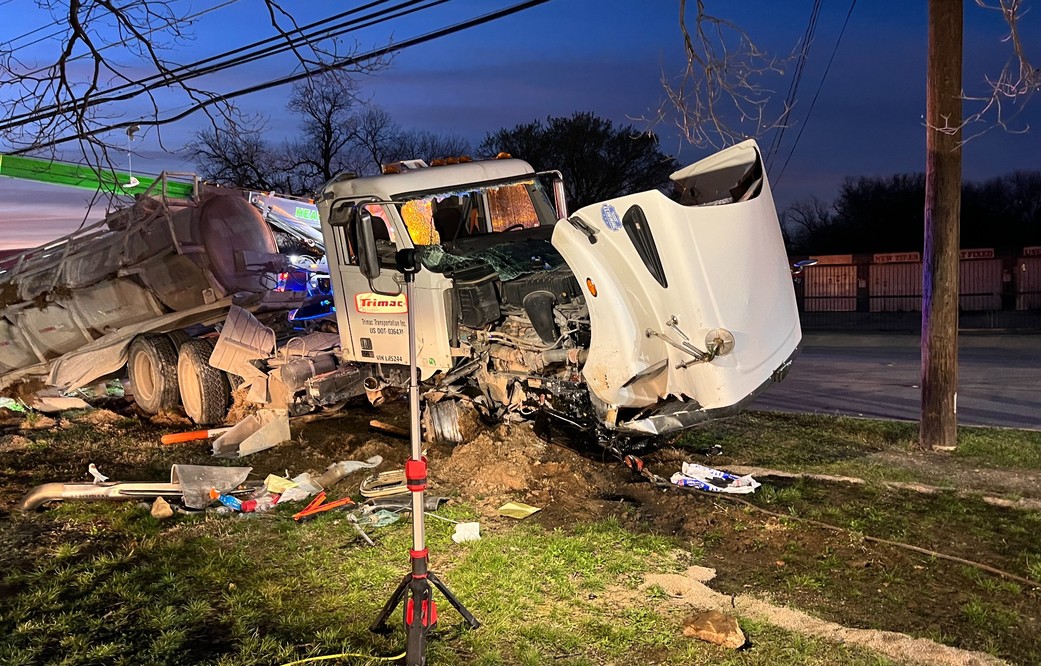
One reportable car crash happens almost every minute in Texas. Following these accidents, the priority is always the safety of the people involved.
Once injured individuals have been treated and transported to the hospital, accident cleanup professionals begin clearing the roadway. Tow trucks remove damaged vehicles, often leaving behind massive amounts of debris and hazardous residue. What people don’t realize is that this is where many environmental and safety risks can surface.
Underneath and around vehicles, fluids like gasoline, diesel, oil, and coolant often spill onto the roadway. These substances can spread across asphalt, drip into cracks, and even reach nearby soil or drainage systems, contaminating drinking water and harming wildlife.
This is the point when professional accident cleanup and spill response teams take over. These specialists are trained to manage hazardous conditions safely and efficiently. Using industrial-grade materials and time-tested containment methods, they remove contaminants, restore safe driving conditions, and ensure the area meets environmental standards before reopening fully to traffic.
What Gets Cleaned Up After a Crash
Accident scenes are a lot more complex than they first appear. Numerous layers of contamination must be addressed to fully restore the area to a safe, pre-accident condition. Professional crash cleanup services focus on both what you see and what you don’t.
The most common materials handled during fuel spill cleanup and accident response include:
- Gasoline: This is highly volatile and flammable, requiring immediate containment to reduce the risk of fire.
- Diesel Spill Cleanup: Creates slippery surfaces and can penetrate soil, leading to environmental concerns.
- Motor Oil Spills and Transmission Fluid: Thick, slow-moving substances such as oil and transmission fluid can cling to roadways and equipment.
- Coolant and Antifreeze: These toxic chemicals can harm wildlife and contaminate water sources.
- Vehicle Debris: Damaged cars can leave behind shattered glass, twisted metal, plastic fragments, and tire rubber.
- Contaminated Soil or Gravel: In more severe incidents, cleanup may have to go deeper than the asphalt.
Each of these elements poses unique threats. Fuel can ignite, and fluids like antifreeze can travel through drainage systems and impact local ecosystems. Even small amounts of residue left behind can create hazards for other drivers, increasing the risk of secondary accidents.
Emergency hazmat cleanup extends beyond surface-level cleaning. It involves full removal, proper containment, and safe disposal of all hazardous materials, ensuring the site is 100% safe for public use again.
Why Accident Cleanup Requires Hazmat Professionals
Handling the aftermath of a crash involves managing hazardous spills to protect both people and the surrounding ecosystem. This level of responsibility requires trained professionals who understand how to handle and dispose of dangerous substances safely.
Environmental regulations play a key role in accident cleanup. Federal and state guidelines dictate how someone must manage hazardous materials. Failure to comply can result in hefty fines, legal liability, and environmental damage.
Professional spill response teams are equipped with the training and tools to tackle these challenges head-on. Their work includes:
- Swift assessment of the scene to identify all hazardous materials
- Containment strategies to prevent spreading or runoff
- Use of specialized absorbents and cleanup equipment
- Safe collection and transportation of contaminated materials
- Disposal at certified facilities in accordance with regulations
- Documentation for compliance, insurance, and reporting purposes
Additionally, spilled fuel and chemicals can seep into the ground, affecting soil quality and potentially contaminating groundwater. Without proper cleanup, these substances can persist and spread over time.
Direct exposure to hazardous materials can pose serious health risks. Professional crews use personal protective equipment, or PPE, and follow stringent safety protocols to ensure that cleanup is completed without putting themselves or anyone else at risk.
Who Handles Accident Cleanup in Texas
In Texas, accident cleanup is generally performed by specialized hazmat and emergency response companies, like Haz-Mat Incident Management. We work in close coordination with local authorities to ensure that crash sites are properly managed from start to finish.
Unlike general cleanup crews, our team is trained specifically in hazardous material response. We understand how to deal with complex scenarios, including large-scale fuel spills, commercial vehicle accidents, and incidents involving regulated substances.
We’re most often called by:
- Police departments are managing the scene
- Fire departments responding to hazardous conditions
- Transportation and public works agencies
- Trucking and freight companies
- Insurance carriers coordinating claims
- Property owners impacted by a spill
Because accidents can happen at any time, our response team is available 24/7. Our ability to respond quickly is essential for restoring traffic flow, reducing environmental impact, and preventing further safety hazards.
For regions like North Texas, having access to experienced spill response professionals ensures that incidents are handled efficiently, minimizing disruption while maintaining full regulatory compliance.
When to Call a Spill Response Team
While some minor accidents may only require basic cleanup, many situations call for professional spill response services. Knowing when to bring in experts can make a big difference in both safety and cost.
You should consider calling a spill response team in the following situations:
- A vehicle is overturned and is leaking fuel
- Multiple vehicles are involved, increasing fluid volume and debris
- A commercial truck or tanker is part of the accident
- Hazardous or unknown materials are present
- Fuel or chemicals are near storm drains or waterways
- Large areas of roadway are covered in slippery residue
- There is visible contamination extending beyond the immediate crash site
Delaying professional cleanup can lead to more extensive damage. Prompt action ensures that hazards are contained, cleanup is completed efficiently, and the risk to the public and environment is minimized.
24/7 Accident Cleanup & Spill Response
When an accident leaves behind hazardous materials, a fast and professional response is essential. Trained teams play a vital role in ensuring safety and restoring order.
Haz-Mat Incident Management delivers around-the-clock accident cleanup and fuel spill response services across North Texas that you can count on. We handle everything from small roadway spills to complex hazardous material incidents, always prioritizing safety, compliance, and environmental responsibility.
If you’re facing the aftermath of a crash, having the right team on your side ensures the situation is handled quickly and correctly. Contact us today to learn more.