Nearly 14,000 fuel spills occur every year in the U.S., requiring thousands of emergency responders. If the appropriate actions aren’t taken immediately, oil spills can swiftly escalate, posing environmental risks, regulatory requirements, and potential liability.
If you’re looking for fuel spill cleanup in Denton County, the most important step is understanding who handles these incidents and how to choose a provider that responds quickly and does the job right.
Keep reading to learn what counts as an emergency, who’s responsible, and what to look for in a quality cleanup partner.
What Qualifies as a Fuel Spill Emergency?
Many hazardous spills can turn into emergencies if they aren’t handled properly. A fuel spill is typically considered an emergency when it creates risk beyond a simple cleanup, including if:
- Fuel spreads across pavement, soil, or gravel
- Leaks enter storm drains or nearby water sources
- The spills are caused by vehicle accidents or overturned equipment
- Ongoing leaks are coming from damaged tanks or fuel lines
- The situation involves fumes, fire risk, or exposure that could harm people nearby
Even a relatively small spill can become serious if it reaches groundwater or public infrastructure. In areas like Denton County, where development and drainage systems are closely connected, fast action is critical to prevent contamination from spreading.
Who Is Responsible for the Cleanup?
In most cases, the party responsible for the spill is also responsible for cleaning it up. However, determining responsibility can depend on the situation:
- Businesses or property owners are often responsible for spills that happen on their site
- Trucking companies or drivers may be liable for transportation-related incidents
- Contractors can be responsible if the spill occurs during their work
- Insurance providers may cover some or all of the cleanup depending on the policy
Even when liability isn’t immediately clear, cleanup can’t wait. Many Denton County organizations call for emergency spill response services right away, then work through insurance and responsibility afterward. That approach helps limit damage, ensures public safety, and keeps the situation from getting worse.
Why Professional Cleanup Is Necessary
It’s easy to underestimate a fuel spill, especially if it seems contained. But oil behaves differently from water or other common liquids. It spreads swiftly, seeps into surfaces, and can cause contamination that is difficult to initially detect, affecting both surface environments and subsurface ecosystems.
To mitigate these risks, professional hazmat cleanup services are often required. These specialists help by providing:
- A Comprehensive Approach: Cleanup involves removing contaminated soil, cleaning affected surfaces, and ensuring nothing is left behind that could cause future problems.
- Knowledge of Environmental Impact: Fuel can migrate below the surface and affect groundwater. Trained teams know how to assess and stop that process before it spreads.
- Regulatory Compliance: Oil spills may trigger reporting requirements at the local, state, or federal level. Missing those requirements can lead to fines or enforcement actions.
- Safe Handling and Disposal: Materials used during cleanup, such as absorbents, debris, and contaminated soil, must be disposed of properly. This requires specialized handling and approved disposal methods.
- Documentation for Protection: A professional response includes detailed records of what happened and how it was handled. This documentation is often essential for insurance claims and regulatory compliance.
Key Traits of a Reliable Fuel Spill Cleanup Company
If you need a fuel spill cleanup company near me, it’s worth taking a closer look at what separates a dependable provider from the rest. In an emergency, the quality of the response can make a huge difference.
Response Time Matches Urgency
Speed is one of the most important factors. The longer the fuel sits, the more damage it can cause. Look for companies that offer:
- 24/7 availability
- Immediate dispatch
- Clear timelines for arrival
In Denton County, many reputable providers aim to be on-site within about 45 minutes, depending on location and conditions.
Verified Certifications and Training
Hazardous material cleanup technicians should be trained to handle dangerous substances safely and in compliance with regulations.
A qualified provider will have OSHA-compliant training, hazmat-handling certifications, and ongoing safety education in environmental remediation. These credentials help ensure the work is done correctly and safely.
Strong Understanding of Compliance Requirements
Fuel spill cleanup involves meeting regulatory expectations. A knowledgeable provider should be able to identify when a spill must be reported, follow proper documentation procedures, and coordinate with authorities if needed.
Equipment and Capability to Handle Different Scenarios
Every spill is different. Some occur on highways, others at industrial sites or in confined areas. A reliable company should be prepared for a range of situations, including:
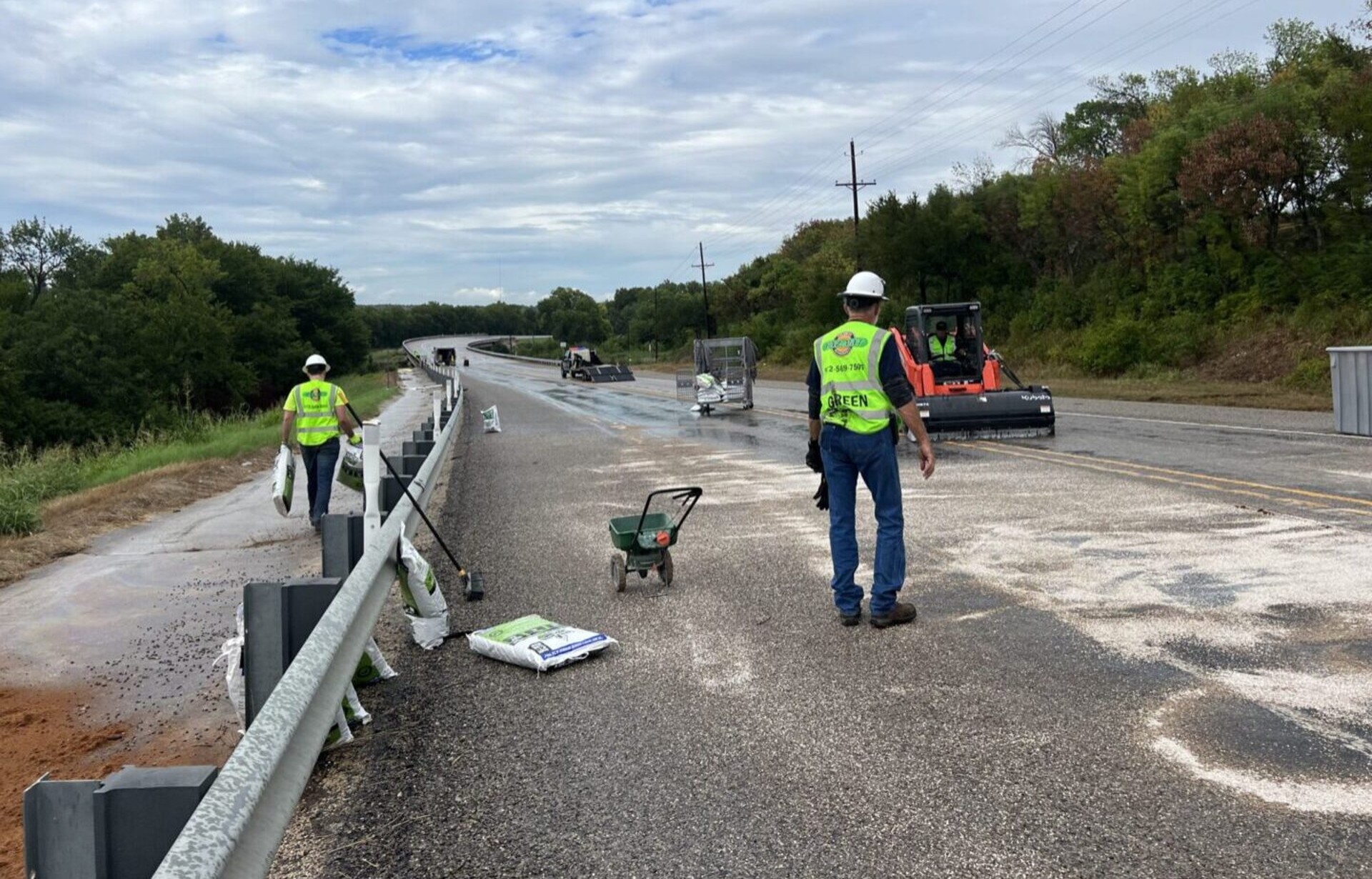
- Roadway and transportation spills
- Commercial and industrial incidents
- Soil and surface contamination
- Sensitive environmental areas
Having the right equipment and expertise ensures the response is effective from the start.
Risks of Choosing the Wrong Provider
When you’re dealing with a fuel spill, it might be tempting to go with the first available option. But choosing the wrong company can create additional problems that are harder and more expensive to fix, such as:
- Incomplete Remediation: If the cleanup isn’t thorough, contamination can remain and cause future environmental or structural issues.
- Compliance Issues: Improper handling or missing documentation can lead to regulatory penalties or hefty fines.
- Slower Containment: Delays in response allow the spill to spread, increasing both the impact and the cleanup cost.
- Safety Concerns: Untrained teams may not take the necessary precautions, putting people and property at risk.
- Increased Costs: A poorly handled cleanup often results in additional work later, which can be significantly more expensive than doing it right the first time.
Local Response Expectations
When evaluating providers, local presence matters. Companies that regularly handle emergency spill response in Denton County are better equipped to respond quickly and navigate local requirements.
In many cases, you should expect:
- Rapid dispatch from nearby teams
- Arrival within approximately 45 minutes
- Familiarity with local regulations and reporting expectations
- Efficient coordination with local agencies, if necessary
This level of responsiveness helps limit damage and keeps the situation under control.
What to Do Immediately After a Fuel Spill
If a spill occurs, your actions in the first few minutes can make a significant difference. While every situation is unique, these steps should always be followed:
- Prioritize Safety: Keep people away from the area and eliminate ignition sources if possible.
- Stop the Leak: If it’s safe, shut off equipment or contain the source.
- Prevent Spreading: Use available materials to block the fuel from moving further.
- Call for Professional Help: Contact a qualified cleanup provider right away.
- Document What Happened: Take notes or photos if possible.
Even if the spill seems manageable, involving professionals early helps prevent overlooked issues.
24/7 Fuel Spill Cleanup in Denton County
Fuel spills can happen at any time. Having access to a team that offers 24/7 emergency response means you’re prepared no matter when an incident occurs.
Look for a fuel spill cleanup in Denton County that combines fast response, proper certifications, and deep expertise in handling hazardous materials. The right choice can help protect your property, limit environmental impact, and keep you in compliance.